How We Set Up a Big Bass Splash Demo Session at Home
A repeatable home setup for demo play: screen size, seating, note sheets, and a simple routine so your sessions match ours.
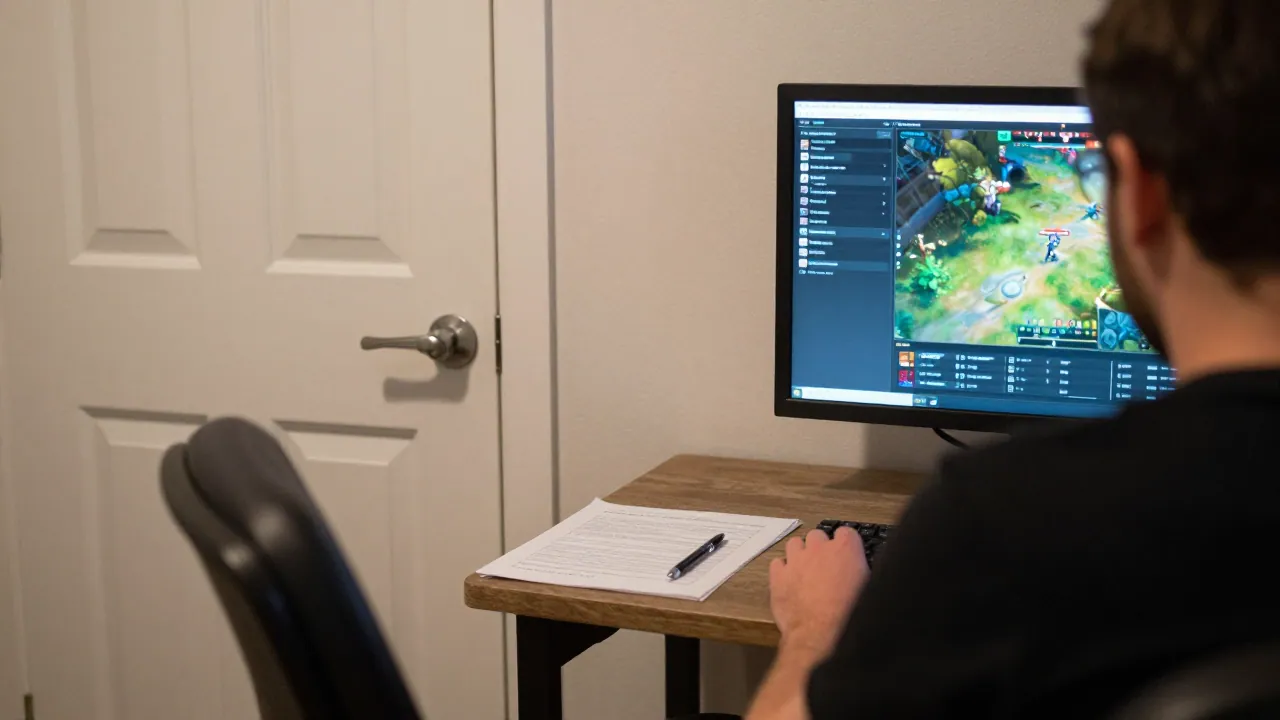
We run demo sessions in living rooms and garages, and the setup matters more than most people think. A bigger screen, a stable chair, and a printed sheet change what you notice. This guide is for anyone who wants to repeat our conditions and compare notes fairly. We walk through the exact steps we use, from picking a slot to filing the sheet. If you have ever wondered why your results drift from session to session, start with the room. We keep the routine short and plain, and we play the demo first before touching any real-play settings.
What you need before you start
The list is short on purpose. We found that extra gear adds variables we then have to explain away. Keep it to the basics and write down anything you add.
- A screen at least 24 inches across, placed at eye level so you are not leaning.
- A straight-backed chair and a table wide enough for the sheet and a pen.
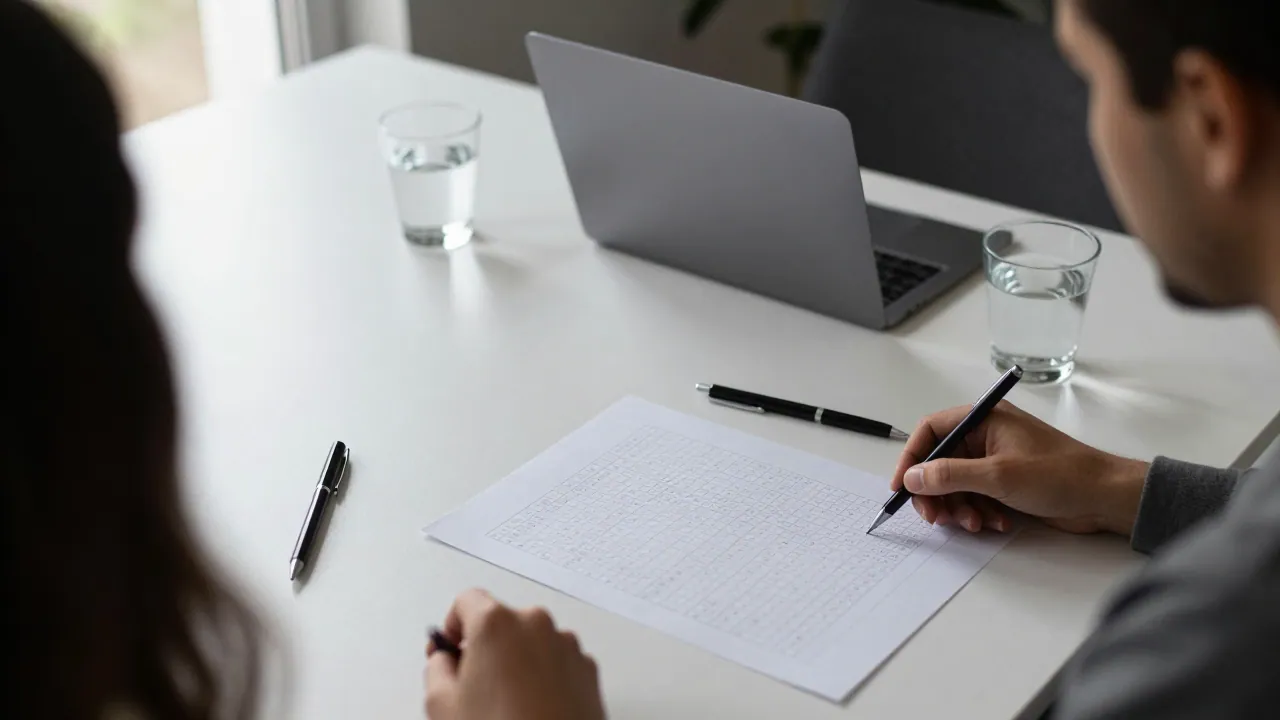
- A printed note sheet with columns for time, spin count, splash meter reading, and notes.
- A timer or phone clock set face down so you are not checking it mid-spin.
- A quiet room with the door closed and overhead light steady.
We keep a folder of blank sheets by the chair. When the sheet runs out, we print the same layout again. Changing the layout mid-comparison is the fastest way to lose track of what you saw.
Step by step: our home session routine
This is the order we follow. It takes about thirty minutes from sitting down to filing the sheet.
- Clear the room. Close the door, put the phone face down, and set the light where it will stay.
- Sit at the same height and distance you used last time. Note the screen size at the top of the sheet.
- Open the demo and let it load fully before you touch anything.
- Run a two-minute warm-up without writing. This is just to settle your eyes.
- Start the timer and log every ten spins: the splash meter reading and one short note about what changed.
- Stop at fifteen minutes or when the sheet fills, whichever comes first.
- Read the sheet back once, then file it with the date and slot name.
Screen size, seat height, and why we fix them
We tried a laptop on the kitchen table for a month and the notes were thin. The splash meter sat low in our field of view, and we kept shifting. When we moved to a 27-inch screen at eye level, the notes got more specific. That is not a scientific result, but it is a practical one: comfort changes what you notice.
| Setup | Screen size | Seat | What we noticed |
|---|---|---|---|
| Kitchen table | 15-inch laptop | Dining chair | Short notes, frequent shifting |
| Garage bench | 24-inch monitor | Folding chair | Steadier notes, less glare |
| Living room desk | 27-inch monitor | Straight-backed chair | Clearest notes, easiest to repeat |
The point is not that bigger is better. The point is that you pick one setup and stay with it long enough to see a pattern. We now use the living room desk for comparison sessions and the garage bench for casual ones, and we label the sheets accordingly.
The note sheet we actually use
Our sheet has five columns: time, spin count, splash meter, one-line note, and a box for anything odd. The one-line note is the part people skip, and it is the part that helps later. Write what you saw, not what you felt. "Meter moved two notches after ten spins" beats "felt slow."
At the bottom we leave three lines for the closing read-back. That is where we record the one thing that stood out. When we compared six sessions side by side, those closing lines were the most useful part of the folder.
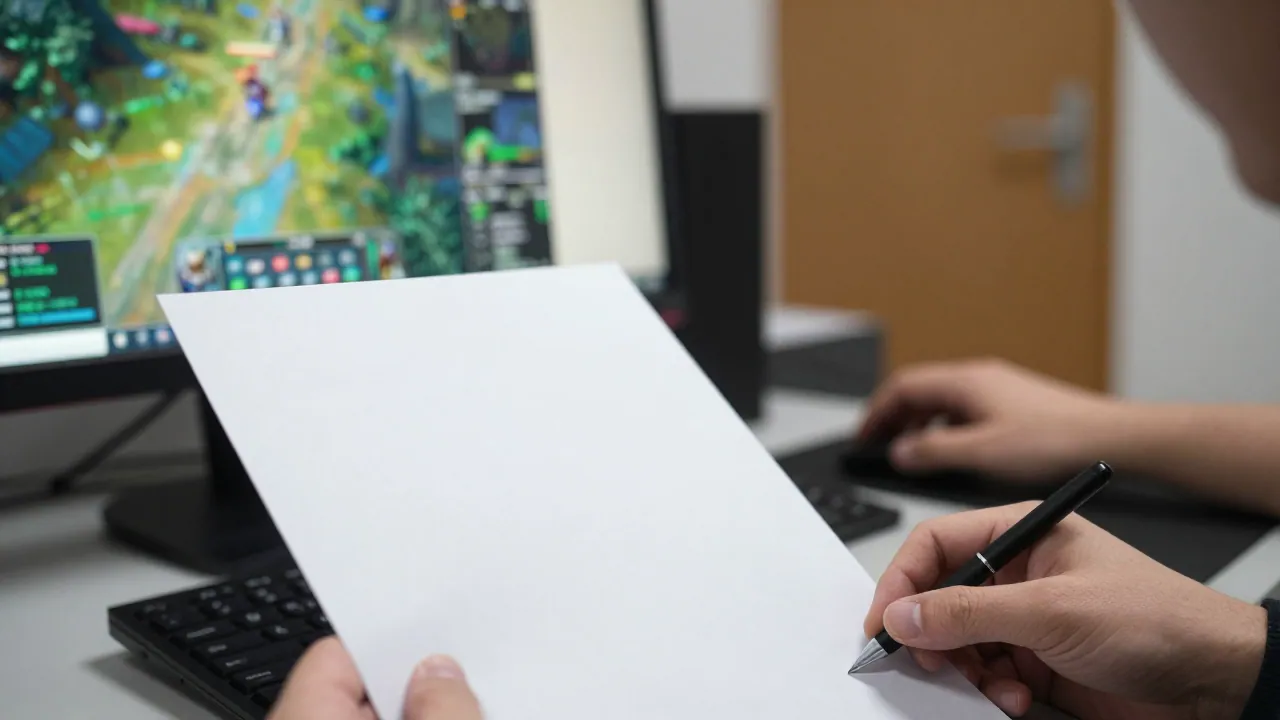
Common mistakes and how we avoid them
- Changing the screen size between sessions. Fix it for a month, then compare.
- Writing feelings instead of readings. Note the meter first, then one plain observation.
- Running sessions when the room is busy. Noise pulls your eyes off the meter.
- Skipping the warm-up. Two minutes of plain watching saves a muddled first ten spins.
- Filing the sheet without a date. A sheet without a date is hard to place later.
We also keep a short list of common misunderstandings taped inside the folder. Reading it before a session takes a minute and keeps the notes honest. If a session goes badly, we still file it. A messy sheet is better than a missing one.
What we learned from running it this way
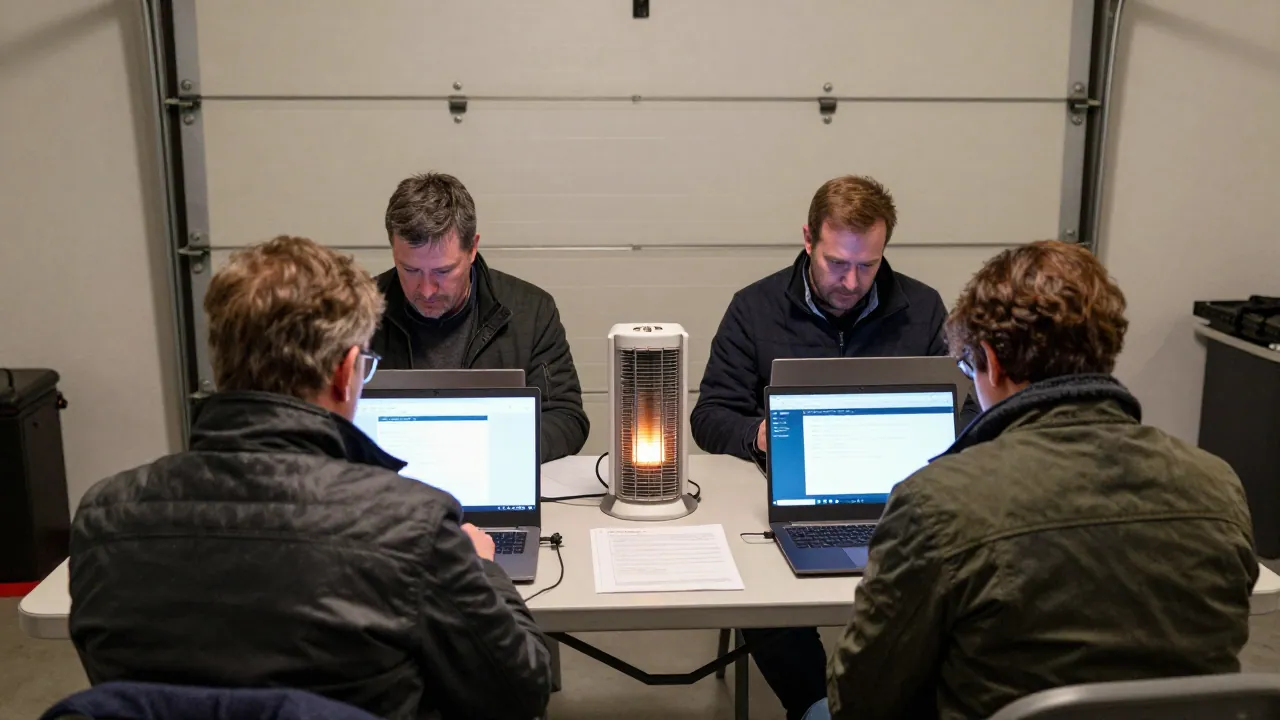
After a few months of the same setup, the notes started to line up. We could read a sheet from three weeks ago and know what the room was like. That is the whole aim: a setup plain enough to repeat and a sheet clear enough to compare. If you try it, start with one fixed slot a week and one sheet per session. The garage session notes show how much detail a single sheet can hold when the conditions stay steady.
Questions people ask
Do I need a large monitor for a demo session?
No. A 24-inch screen at eye level is enough. What matters is that you keep the same size across sessions you plan to compare. Write the size at the top of the sheet so you remember.
How long should a home demo session run?
We stop at fifteen minutes or when the sheet fills. Longer sessions tend to produce rushed notes. A short, steady session filed with a date is more useful than a long one you cannot place later.
Can I compare sessions if I changed the room?
Yes, but label it. Write the change at the top of the sheet and treat it as a new setup. It can still teach you something, but it will not line up directly with the sessions before it.