Big Bass Splash Demo Results: What Six Sessions Showed Us
A plain table of splash counts, bonus rounds, and rounds played across six recent demo sessions, plus where our records were too thin to draw conclusions.

Over the past few months we ran six big bass splash demo sessions in our usual way: same device, same starting balance, same note-taking sheet. alles spitze online We wanted a clean record of what happened in each session so we could compare them side by side and see whether our habits, not the game, were driving the results. We played 1,850 rounds in total and logged every splash count and bonus trigger we noticed. This report shows the table we built, the parts that held up, and the gaps that made some comparisons shaky. Anyone who follows our session notes will recognize the format.
What we planned and how we ran it
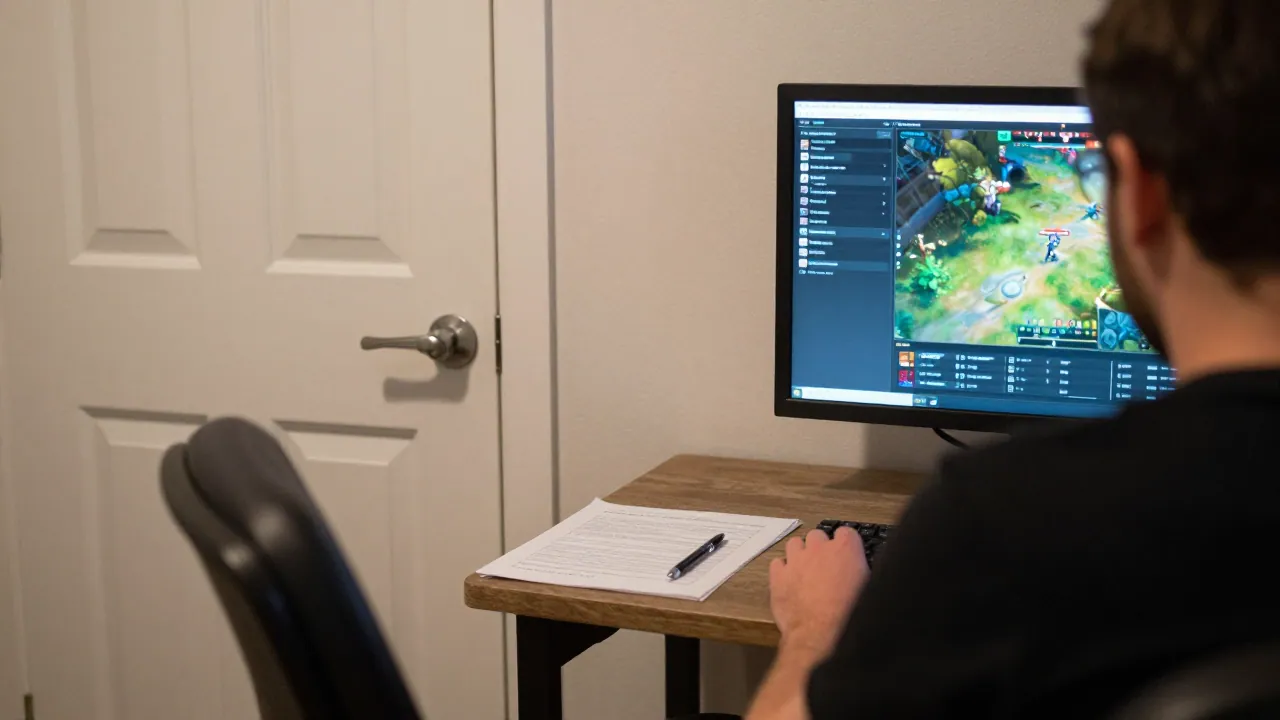
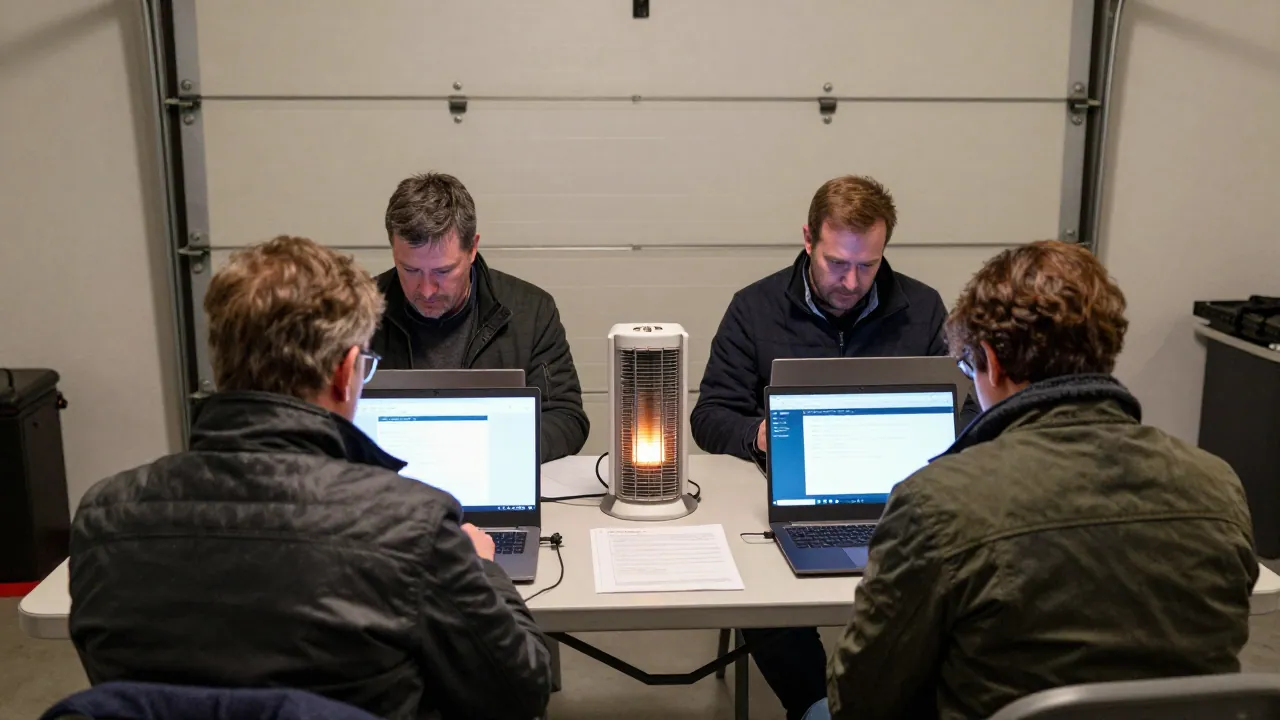
We set out to play six sessions of roughly 300 rounds each, all on the same laptop in the garage, with the same starting balance of 1,000 demo credits. Each session followed the setup we described in our home setup guide, including a fixed bet size and a fresh note sheet. Priya kept the master log, and two other members took turns watching and calling out features. We wanted the sessions close enough in shape that a table would actually mean something.
What we did not plan well was the timing. We recorded splash counts reliably but often wrote bonus timestamps only to the nearest minute, and in two sessions we forgot to note when the session started. That mattered later when we tried to compare how long features took to appear.
The six sessions in one table
| Session | Rounds played | Bonus triggers | Splash count noted | Notes quality |
|---|---|---|---|---|
| S1 — early March, garage | 300 | 3 | 41 | Good |
| S2 — late March, garage | 320 | 2 | 38 | Fair, timing gaps |
| S3 — April, kitchen table | 290 | 3 | 35 | Good |
| S4 — late April, garage | 310 | 1 | 44 | Thin on timings |
| S5 — May, garage | 330 | 4 | 52 | Good |
| S6 — late May, garage | 300 | 1 | 36 | Fair |
The average hides a wide spread. S5 triggered a bonus every 82 rounds, while S4 and S6 each triggered once in more than 300 rounds. With only six sessions we cannot say whether that spread is normal variation or something about the sessions themselves. Our earlier piece on bonus round patterns raised the same question, and this table does not settle it. For anyone who follows reactoonz style play, the takeaway is to log your own sessions rather than assume a fixed rate. The habit of writing things down matters more than the number on the screen. If you want a second opinion on how other players track their sessions, there are communities like alles spitze online where people share their own logs and observations.
What the numbers supported
Two things held up across the sessions. First, splash counts were the easiest number to record, and they varied less than bonus triggers. Across the six sessions we noted between 35 and 52 splashes per session, with no session far outside that band. Second, sessions where two people took notes produced cleaner records. S1, S3, and S5 all had a second note-taker for at least part of the session, and those are the three rows marked Good.
- Total rounds logged: 1,850 across six sessions.
- Total bonus triggers: 14, ranging from one to four per session.
- Splash counts: 35 to 52 per session, recorded in all six.
- Cleanest records came from sessions with a second note-taker.
We also compared the table against the notes from our first-player view piece, which argued that demo play teaches patience more than prediction. Nothing in these six sessions contradicted that. The sessions with early bonus triggers were not the sessions with the highest splash counts, and the longest dry stretch we logged, 210 rounds in S4, ended without any obvious change in how we were playing.

Where our records were too thin
Three gaps kept us from drawing firmer conclusions. The timing gap is the biggest. Because we did not record start times in S2 and S4, we cannot compare how quickly features appeared relative to session length. The second gap is bet size drift. We intended a fixed bet, but S3 was played at a lower bet after a misclick we did not correct until halfway through. The third gap is sample size. Six sessions is enough to build a table, not enough to claim a pattern.
What we will change next
For the next block of six sessions we will make four changes. We will log a start time and a mid-session check at round 150, so timing gaps cannot pile up unnoticed. We will lock the bet size and write it at the top of every sheet. We will ask for a second note-taker in every session, not just some. And we will add a column for dry stretches, because the 210-round gap in S4 was the most interesting thing we saw and our sheet had no place for it.
We will also read back through our notes on common misunderstandings before the next session, mainly to remind ourselves not to treat a short run of triggers as a trend. The plan is modest: cleaner records, the same six-session shape, and a table we can trust a little more each time. We will report back once the new sheets are filled, gaps and all.
Questions people ask
How many rounds did the six sessions cover?
We logged 1,850 rounds in total, with individual sessions between 290 and 330 rounds. The aim was roughly 300 per session, and most sessions landed close to that.
Why can't you draw conclusions from six sessions?
Six sessions give us a useful table but a small sample. Bonus triggers ranged from one to four per session, and with that spread we cannot tell normal variation from anything else.
What will you record differently next time?
We will add a start time, a fixed mid-session check at round 150, a locked bet size written on every sheet, a second note-taker, and a column for dry stretches.