A Tuesday Night Demo Session in the Garage: Notes and Lessons
Four players, one folding table, and a batch of small disagreements that changed how we run our big bass splash demo nights.
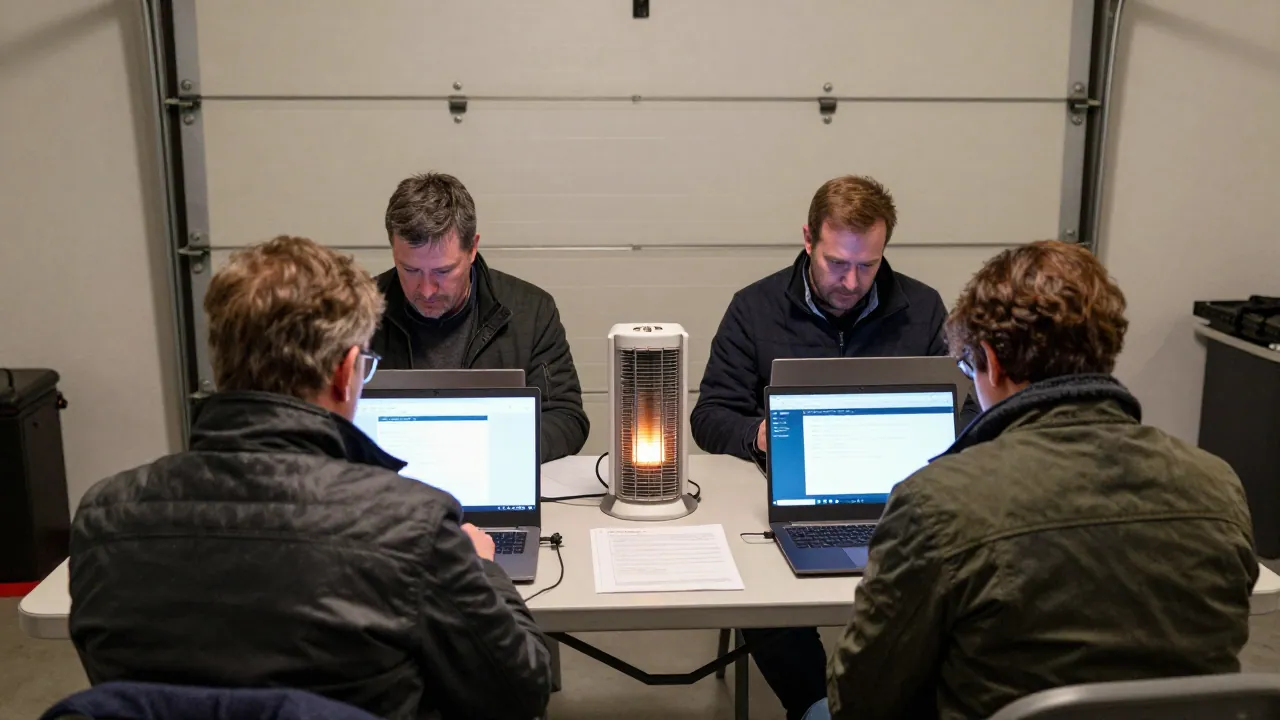
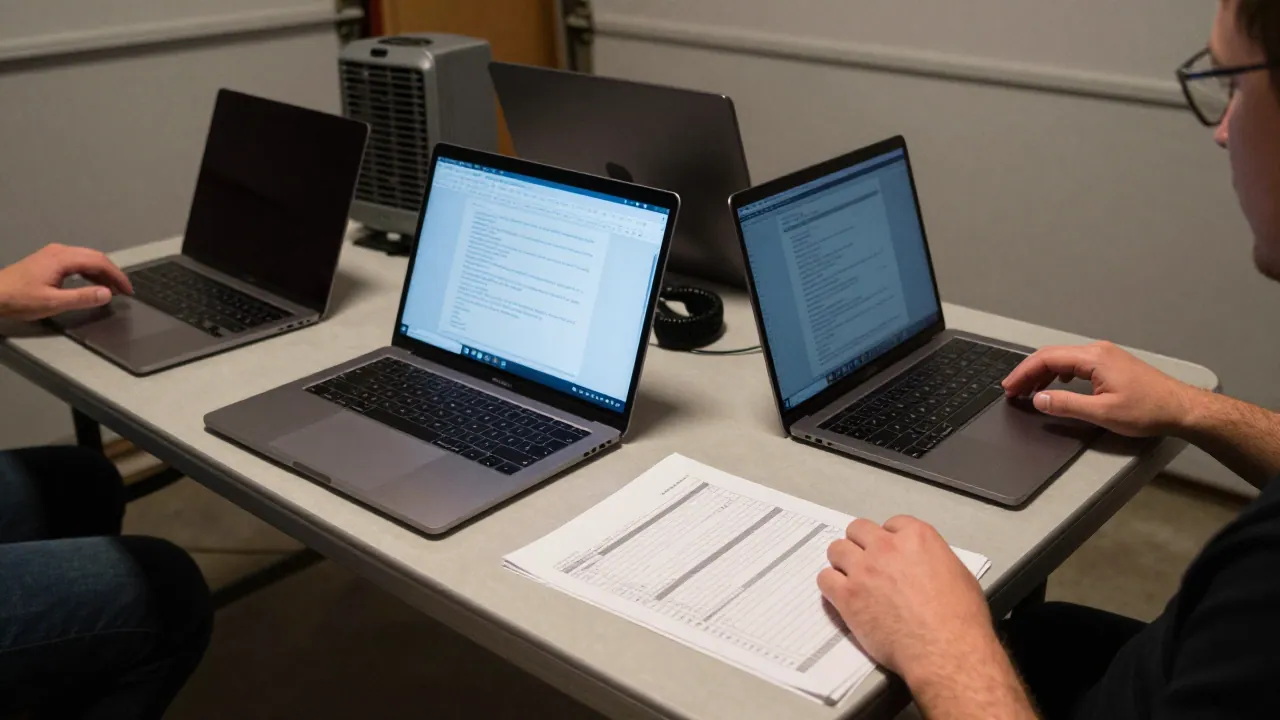
On a cold Tuesday in January, we set up four laptops on a folding table in Owen's garage, plugged in a space heater, and played big bass splash demo for two hours. The plan was simple: each player would take twenty spins, write down what they noticed, and then we would compare notes. We have done this before, but this time we wanted to see if a smaller group would catch things we missed in larger sessions. The garage smelled like coffee and cold concrete. By 9:30 p.m., we had filled three pages with scribbles, argued about one bonus round, and decided to change our setup for next time. This is what happened and what we learned. If you are new to these sessions, our guide on how to set up a demo session covers the basics we used.
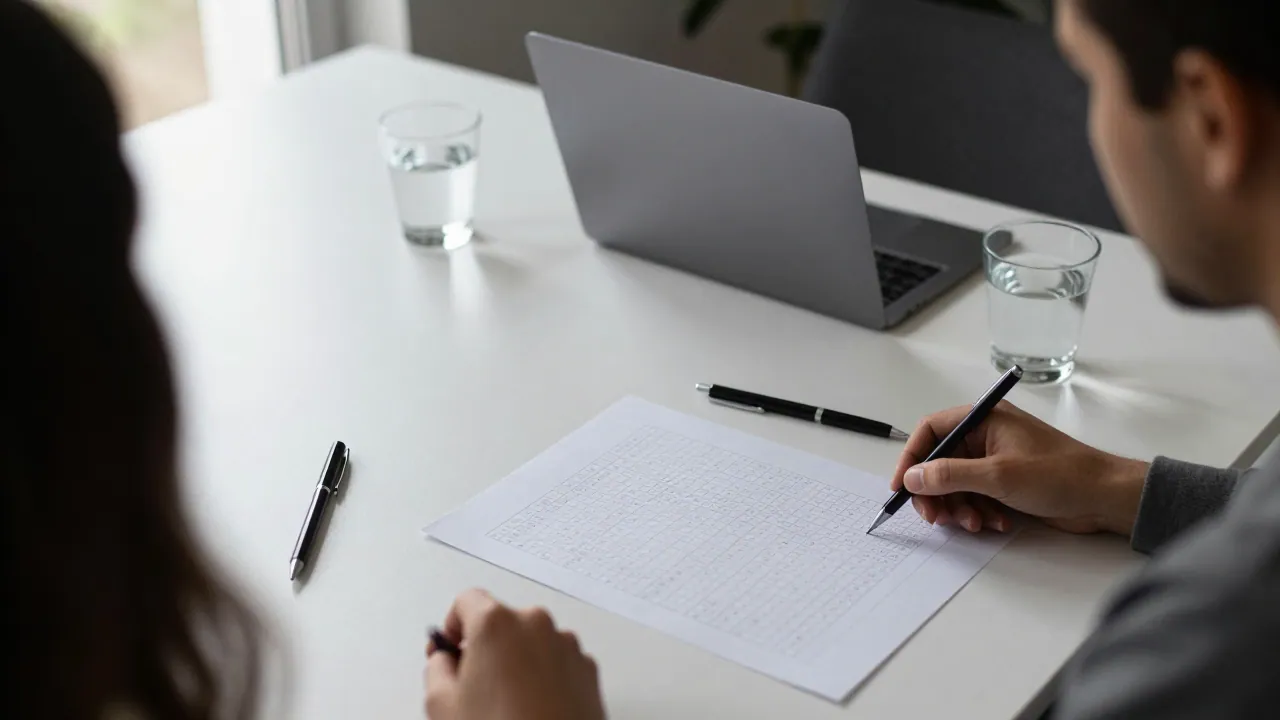
Owen arrived first and cleared the table. He put out four laptops, a power strip, and a printed sheet with columns for spin number, bet size, and notes. The rest of us — Marla, Dev, and I — showed up around 7 p.m. with snacks and our own headphones. The garage was cold, so we kept our coats on for the first hour. We had agreed to use the same demo version and the same starting balance of 1,000 credits. Each player would take twenty spins at a fixed bet of 1 credit, then twenty more at 5 credits. We wanted to see if bet size changed how often the bonus round appeared. That was the plan, anyway.
The first hour: setting up and settling in
We spent the first twenty minutes just getting the laptops connected and the demo loaded. Dev had trouble with his browser cache, so he cleared it and started over. Marla suggested we all use the same browser to keep things consistent, which we did. Owen read out the rules we had written on a notepad: no talking during spins, write down anything that seems odd, and pause after every ten spins to compare notes. The space heater clicked on and off. We could hear a dog barking somewhere down the street. By 7:30 p.m., we were ready to start.
The first ten spins were quiet. We each wrote down small things: a near miss on the third reel, a wild that did not expand, a scatter symbol that landed just above the payline. Nothing dramatic. At the ten-spin mark, we compared notes. Dev had seen two scatters in one spin and thought it might be a glitch. Marla pointed out that the demo version sometimes shows more scatters than the live game, which led to a longer conversation about why we play the demo first. We decided to keep a separate column for scatter counts.
The disagreement: what triggers a bonus round
Around spin 35, Owen hit a bonus round. He had been betting 1 credit, same as the rest of us. Dev said it was because Owen had been spinning faster. Marla said it was random. I said it was probably just luck. We paused the session and looked at the logs. Owen had taken 12 spins at 1 credit before the bonus, while Dev had taken 18 and Marla had taken 15. None of us had hit a bonus yet. The only difference was that Owen had paused for a minute to answer a text. Dev thought the pause might have reset something. Marla disagreed. We spent ten minutes arguing about it and finally wrote down both theories: speed and pause. We did not settle it that night.
What we did agree on was that we needed better records. Up to that point, we had only written the spin number. We added columns for the time of each spin and whether the player had paused recently. It was a small change, but it made the rest of the session feel more like a proper test. Later, when we compared results across six sessions, we found that bonus frequency did not change with bet size in any obvious way, which you can read about in our six-session comparison. That night, though, we were just four people trying to make sense of one bonus round.
I think we were all looking for a pattern because it was cold and we wanted to feel like we were doing something useful. The truth is, one bonus round does not tell you much.
What we noticed about the bonus round itself
Owen's bonus round lasted about two minutes. He chose the option with more free spins and fewer multipliers. The round paid out 18 credits, which was modest. We watched the screen and wrote down the sequence: three scatters to trigger, then a choice between two options, then a series of spins with a fisherman symbol that did not expand. Dev noticed that the fisherman appeared on the first three spins but not after. Marla wrote that down. We had seen similar behavior in other sessions, and it matched what we later described in our notes on bonus round patterns. At the time, it just felt like a detail worth recording.
After Owen's bonus, the mood lightened. We took a short break, refilled our coffee, and started the second block of twenty spins at 5 credits. The higher bet made the spins feel faster, even though the animation speed was the same. Dev said he felt more pressure to hit something. Marla said she felt less patient. I wrote down that the higher bet changed how we talked about the game, not just how we played it. That was one of the small observations we kept.
The small changes we made afterward
By 9:30 p.m., we had finished both blocks and compared our logs. We had seen two bonus rounds total, both at the 1-credit bet. No one hit a bonus at 5 credits. That did not prove anything, but it gave us a reason to keep logging. We also noticed that we had all written different things in the notes column. Dev wrote about symbols, Marla wrote about timing, and I wrote about how I felt. Owen wrote almost nothing. We decided to use a shared template next time so the notes would be easier to compare.
- Use a shared log template with columns for time, bet, scatter count, and pause length.
- Move the session to the kitchen, where there is more space and better light.
- Set a timer for each block of spins so we do not lose track of time.
- Agree on a single browser and clear the cache before starting.
The biggest change was the template. We created a simple spreadsheet with dropdowns for bet size and checkboxes for pauses. It took twenty minutes to set up, but it made our next session much smoother. We also wrote a short set of instructions for anyone who wants to join, which we based on our common misunderstandings about demo play. The garage experiment was messy, but it gave us a starting point.
What we took away
The main lesson was that small, ordinary sessions can teach you a lot if you write things down. We did not discover anything revolutionary. We just paid attention to the details: how a pause might affect a spin, how a higher bet changes the mood, how four people can look at the same screen and see different things. The garage was cold and the coffee went stale, but we left with a better template and a list of questions for next time. If you run your own session, start with a shared log and a timer. The rest will follow.
Questions people ask
How many spins did each player take?
Each of the four players took forty spins total: twenty at 1 credit and twenty at 5 credits. That made 160 spins for the session.
Did bet size affect bonus frequency?
In this session, both bonus rounds came at the 1-credit bet. No bonuses appeared at 5 credits. That is too small a sample to draw a conclusion, but we kept logging it.
What did you change for the next session?
We created a shared log template with time, bet, scatter count, and pause length. We also moved the session to a warmer room with better light.