Why We Play the Demo First: A Player's View on Big Bass Splash
One of our regular players explains what he tracks during demo sessions and how it changed the way he approaches the game.
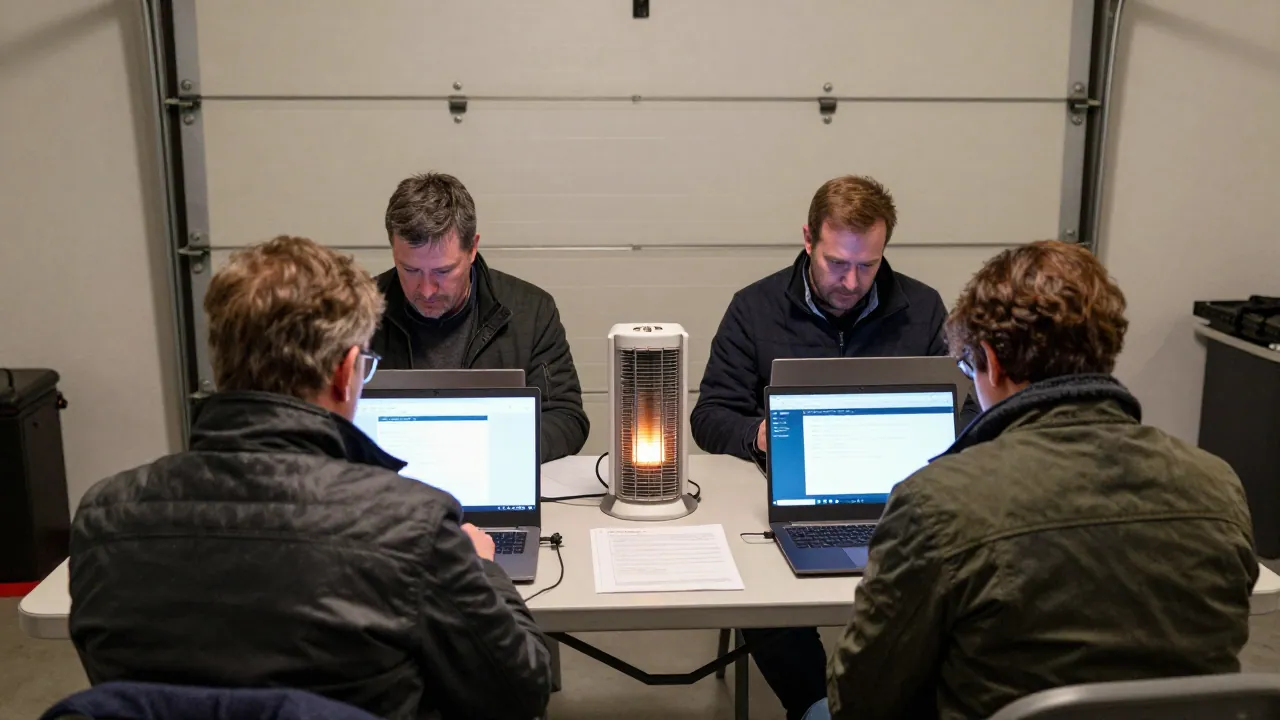
We keep hearing the same question at our sessions: why bother with the demo when the real game is right there? So we sat down with Marcus Bell, who has joined nearly every Tuesday night session in the garage for the past year, to get a straight answer. Marcus is not a spokesperson and he does not work for anyone in the industry. He is a player who likes to take notes. What follows is his view, edited only for length and clarity, on why he plays the demo first, what he writes down, and how it has changed the way he approaches the game. If you are new to our sessions, the setup guide is a good place to start before reading his answers.
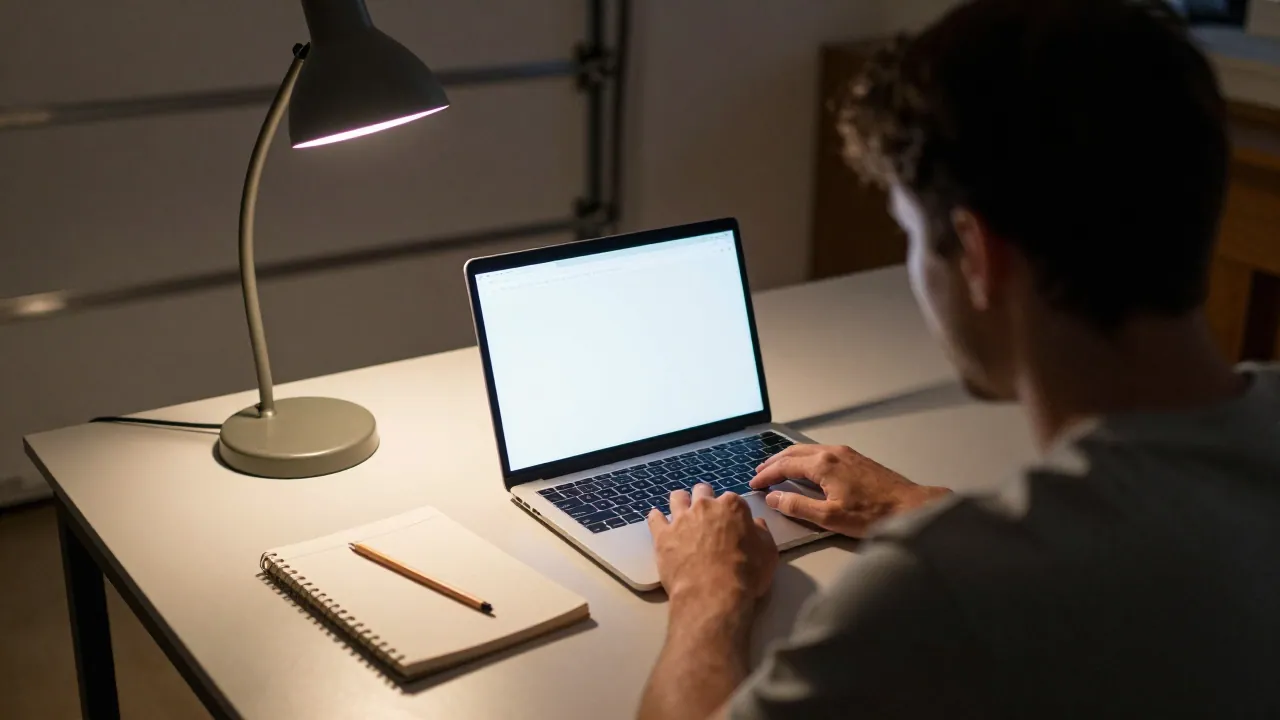
Marcus has been part of our group since the first winter sessions, when we were still figuring out how to run a demo night without turning it into a lecture. He brings a folded notebook and a pencil, and he writes more than anyone else at the table. We asked him to walk us through his reasons, one question at a time.
What made you start with the demo instead of the real game?
I started because I wanted to understand the bonus rounds without spending anything while I learned. In the real game I was always a bit tense, and tension makes me play faster than I want to. With the demo, I could sit at the same bet size for an hour and just watch. The first few sessions were mostly about noticing how often the bonus actually shows up. It is less often than it feels when you are playing for real.
The other reason was simple curiosity. I wanted to see if the game behaved the same way in demo mode as it did in the real one. After a few weeks I started writing things down, and that turned into a habit. You can read more about what we found in our notes on bonus rounds in demo play.
What do you actually track during a session?
I keep it small. On one page I write the date, the bet size, and how long I played. Then I make a tally for bonus triggers and a short note about anything that surprised me. That is it. I do not track every spin or every win, because I would spend the whole night writing instead of playing.
- Bet size and session length, in minutes.
- A simple tally of bonus triggers.
- One line about what stood out, good or bad.
- A note on whether I felt rushed or calm.
That last one sounds soft, but it matters. When I look back at my notes, the sessions where I felt rushed are the ones where I made my biggest bet size jumps. The demo made that pattern obvious. Our Tuesday night garage notes show the same thing across a few different players.
Has demo play changed how you approach the real game?
Yes, mostly by slowing me down. I used to change bet sizes after a few quiet spins, thinking the game owed me something. Now I pick a bet size before I start and I stay there for a set number of spins. The demo taught me that quiet stretches are normal, not a signal to press harder.
I also stopped chasing. In the demo there is nothing to chase, so I could see how often I was tempted to raise my bet after a dry run. Once I noticed that, it was easier to leave it alone in the real game. It is not a cure for anything, but it is a useful mirror.
The demo is not the game. It is the place where I learn how I behave while the game is happening.
We compare notes after each session, and that has been the other big change. Hearing someone else say they saw the same dry stretch makes it feel less personal. Our six-session comparison came out of those conversations.
What do you say to people who think the demo is pointless?
I understand it. If you only want the thrill, the demo is not going to give you that. But if you want to learn the rhythm of the game, it is the cheapest way to do it. You can play for an hour and spend nothing, and you still come away with something you noticed.
The mistake is expecting the demo to predict the real game. It does not. It shows you how the game flows, not what will happen next. Once I stopped expecting predictions, I got a lot more out of it. We wrote about that in our piece on common misunderstandings.
What has surprised you most since you started?
How much of my play was habit rather than choice. The demo made the habits visible. I would reach for the bet size buttons without thinking, and in the demo I could pause and ask why. That pause is the whole thing for me.
The other surprise was how much I learned from other players. I thought I was the only one taking notes, but half the table has a notebook now. We are not experts. We are just a group of people who like to pay attention, and that turns out to be enough to have a good conversation.

Questions people ask
Do I need a notebook to join a session?
No. Some players take notes, some just watch and talk afterward. Marcus keeps a simple page, but the group is open to anyone who wants to sit in and compare impressions at the end.
Does demo play show what will happen in the real game?
Not in a predictive sense. It shows how the game flows and how you react to quiet stretches and bonus rounds. It is a practice field, not a forecast.
How long is a typical demo session?
Most of our Tuesday sessions run about an hour, with a short chat afterward. Marcus usually plays for forty to sixty minutes and spends the last ten minutes writing up his notes.