How to Read the Paytable Before Your First Demo Spin
A line-by-line walk through the paytable so you know which symbols and payouts to note down before you spin — and start every big bass splash demo session with a clear picture.

Before you press spin on a big bass splash demo, the paytable is the one screen that tells you what every symbol is worth and how the game is put together. reactoonz demo We learned this the slow way during our early sessions, when we spun first and asked questions later. Now we read the paytable together, out loud, and jot down the numbers that matter. This guide is for anyone new to demo play who wants a clear picture before the first spin. It walks through the paytable line by line, shows what to write down, and explains how those notes shape the way we set up a big bass splash demo session.
This guide is for beginners who have opened a demo and are not sure where to look first. By the end, you will be able to read a paytable from top to bottom, note the numbers that matter, and start your first spin with a clear picture instead of a guess.
What you need before you start
- A big bass splash demo loaded and ready, but not yet spinning.
- A piece of paper or a notes app for the numbers you want to keep.
- A quiet ten minutes, so you can read without rushing.
- Our earlier notes on common misunderstandings about big bass splash demo play, if you want context.
Step by step through the paytable
- Open the paytable or information screen. Do not spin yet. Find the symbol list and the rules page.
- Start with the highest-paying symbol. Write down its name and the payout for three, four and five on a line. This is the number you will compare everything else to.
- Work down through the other high-paying symbols. Note each one in the same three, four, five pattern. Keep the list short and readable.
- Do the same for the low-paying card symbols. They usually pay less, but knowing the bottom of the table helps you see how often a line win is worth noticing.
- Find the wild symbol. Write down what it substitutes for and whether it pays on its own.
- Find the scatter or bonus symbol. Note how many are needed to trigger the bonus round and whether the scatter pays anywhere on the reels.
- Read the payline rules. Write down the minimum number of matching symbols needed for a win, and whether wins pay left to right only.
- Check the bet and coin value settings. Note the smallest and largest bet the demo allows, so you know the range you are working with.
| What to note | Why it matters | Example note |
|---|---|---|
| Top symbol payout | Sets the ceiling for a single line win | Five on a line: 10x bet |
| Low symbol payout | Shows the floor for common wins | Three on a line: 0.2x bet |
| Wild rules | Tells you which symbols it can replace | Substitutes all except scatter |
| Scatter trigger | Explains how the bonus round starts | Three scatters anywhere |
| Minimum match | Defines what counts as a win | Three matching symbols |
| Bet range | Gives the smallest and largest stake | 0.10 to 10.00 per spin |
Once the table is filled in, read your notes back to yourself. If a line does not make sense, go back to the paytable and check it before you spin. This small pause is where most of the learning happens. If you are comparing how different games present their paytables, a reactoonz demo can be a useful reference point for reading symbol values and bonus rules side by side.
Common mistakes when reading a paytable
- Spinning first and reading later. The reels move fast, and it is easy to misremember what you saw.
- Confusing the scatter payout with the bonus round. They are not the same thing.
- Assuming the wild pays like a regular symbol. Check whether it has its own payout line.
- Skipping the payline rules. A win that looks like four symbols may only count as three if the line reads left to right.
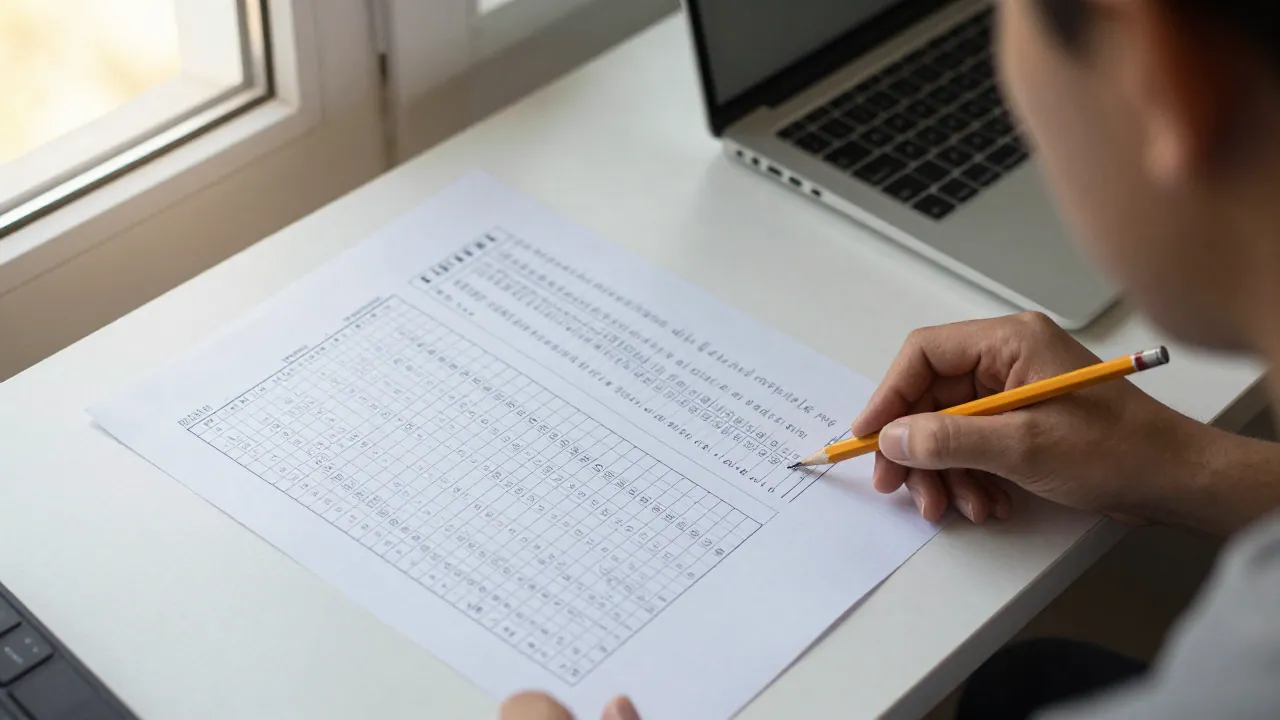
- Not writing anything down. Memory is a poor record; a short list is a good one.
We keep a one-page sheet for each session and file it with our other notes. After a few sessions, patterns start to show, and we compare them in what six sessions showed us.
How our notes shape the first spin
With the paytable noted, the first spin is less of a mystery. We know which symbols to watch for, what a line win looks like at the low end, and how far away the bonus round is. That does not make the session predictable, but it makes it readable.
We also use the notes to check the game's behaviour against its own rules. If a win appears that we cannot match to a line in our notes, we pause and look again. Sometimes we misread the reels; sometimes we learn something new about how the game groups symbols. Either way, the paytable is the reference point.
Keeping the habit
Reading the paytable takes a few minutes and saves a lot of guessing. We do it at the start of every demo session, even when we think we remember the game. The numbers stay the same, but our notes get sharper, and that is the point. If you want to see how this fits into a full evening, our Tuesday night demo session notes show the paytable check in action.
Questions people ask
Do I need to read the paytable before every demo session?
We do, even for games we know well. It takes a few minutes and keeps your notes current. The paytable does not change, but your understanding of it does.
What is the most important number to note?
Start with the top symbol's five-of-a-kind payout. It gives you a ceiling to compare other wins against, and it is the line most players look for first.
Should I note the bet range if I am only playing the demo?
Yes. The demo shows the same bet range as the real game, and knowing the smallest and largest bet helps you read payout values as multiples of your stake.