How We Pace a Two-Hour Big Bass Splash Demo Session
We split each two-hour demo into warm-up spins, a tracked middle block, and a short cool-down to keep our session notes clear and usable.
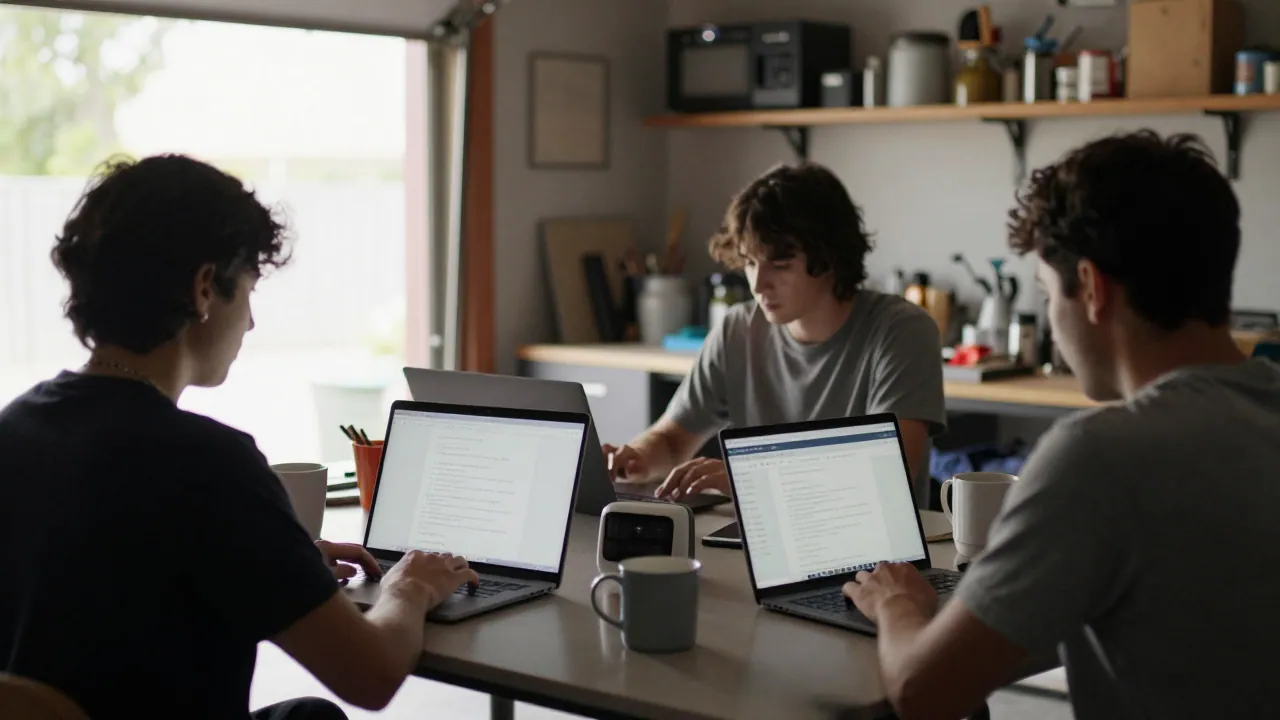
We run two-hour big bass splash demo sessions in a garage in the Midwest, usually on a Tuesday night after work. chicken road casino We are not selling anything and we are not a registered group. We just play the demo, take notes, and compare what changed from session to session. Early on, we finished a two-hour run with pages of scribbles and no clear idea of what happened in the middle. The fix was simple: stop treating two hours as one long spin session. Now we split it into a warm-up, a tracked middle block, and a cool-down. That structure is what keeps our notes usable, and this guide walks through the exact pacing we use.
This guide is for anyone who wants to run a big bass splash demo session and end up with notes they can actually read a week later. You do not need special equipment or a long history with the game. You need a timer, a way to write things down, and a plan for how the two hours will go.
What you need before the clock starts
- A two-hour window with no interruptions, or a clear stopping point you agree on before you start.</li>
- A simple timer or stopwatch, separate from your phone if possible.</li>
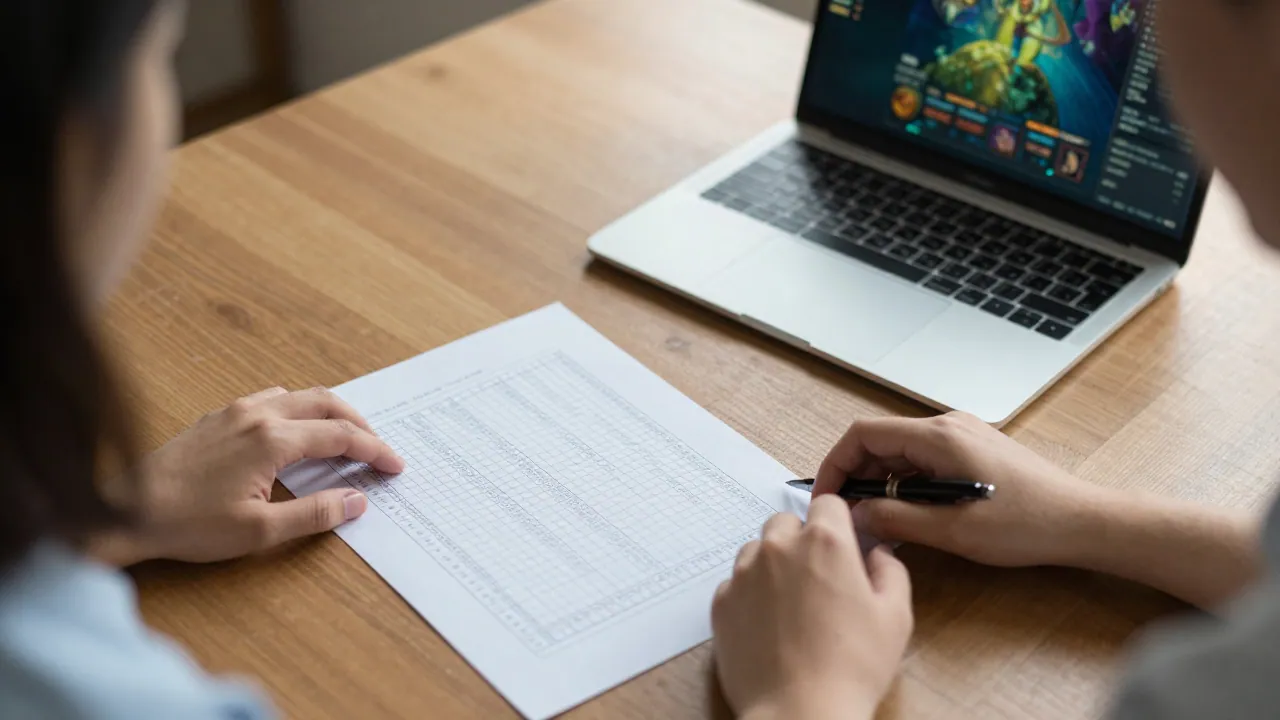
- A notebook or a spreadsheet with columns for spin number, bet size, bonus trigger, and any splash meter reading you care about.</li>
- A printed or saved copy of the paytable so you can check values without leaving the game screen. Our walkthrough on reading the paytable covers what to look for.</li>
- Water, a snack, and a chair that does not make your back ache after an hour.</li>
We keep the setup small on purpose. A second monitor for notes helps, but a paper notebook works just as well. The main thing is that writing a note takes less than a few seconds, so you are not missing spins while you write.
Warm-up: the first twenty minutes
We start with twenty minutes of warm-up spins at the lowest bet size that still shows the splash meter clearly. These spins are not for detailed logging. They are for getting your eye on the reels and your hands on the controls. The first few spins of any session often feel faster than they are, and it helps to let that settle before you start writing things down.
During the warm-up, we watch three things: how the splash meter fills, how often the fishing rod symbol appears, and whether the bonus round triggers early. We jot down only the time and the bet size. If a bonus round happens in the warm-up, we note it but do not count it in the middle block. That keeps the tracked block clean. For a broader look at how the game behaves, we sometimes check chicken road casino as a reference point, but we keep our own notes separate.
The tracked middle block: sixty to seventy minutes
The middle block is the core of the session. We set the timer for sixty minutes and agree not to change the bet size unless we decide to test a specific thing. If you change bet sizes mid-block, note the spin number where you changed and why. That one note saves a lot of guessing later.
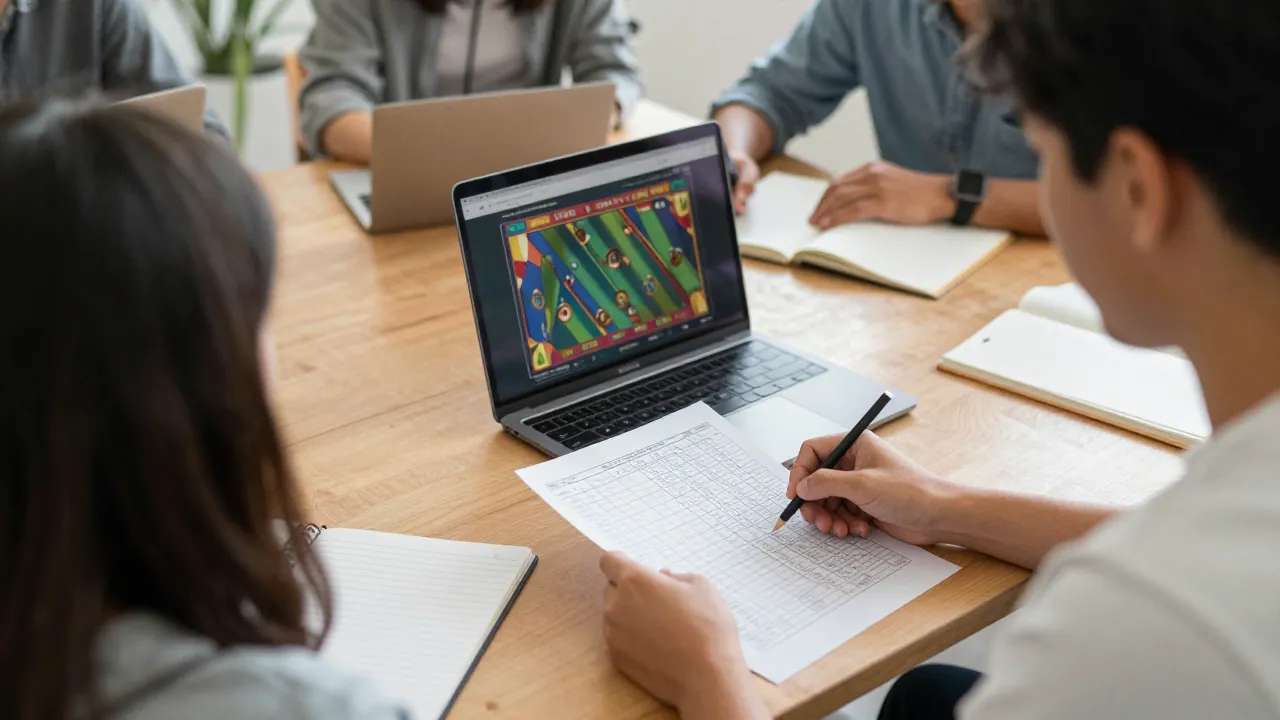
We log every bonus trigger, every splash meter reading at the end of a spin sequence, and any change in the symbol mix that feels unusual. We do not log every single spin result. Instead, we write a line every ten spins or so: the spin number, the bet, and whether anything stood out. This is the same method we described in our guide to tracking spins and bonuses, and it keeps the page readable.
| Block | Time | What we record | What we skip |
|---|---|---|---|
| Warm-up | 0–20 min | Start time, bet size, any early bonus | Detailed spin results |
| Tracked middle | 20–80 min | Bonus triggers, meter readings, bet changes | Every single spin outcome |
| Cool-down | 80–120 min | Summary notes, questions for next session | New experiments |
Around the seventy-minute mark, we take a two-minute break. We stand up, refill water, and read back the last few notes. This is not wasted time. It is the point where we catch a mislabelled spin or a note that no longer makes sense.
Cool-down: the last thirty to forty minutes
The cool-down is not a second tracked block. We keep spinning, but the logging changes. Instead of new columns and detailed readings, we write a short summary: how many bonus rounds we saw, what the splash meter did near the end, and whether anything surprised us. We also write down one question for the next session. That question becomes the seed for the next warm-up.
In the last ten minutes, we stop logging entirely and just play. This sounds like a small thing, but it gives us a clean end point. When the timer goes off, we close the game and put the notes away. No trailing half-written lines.
The cool-down is where the session turns into something we can learn from. If we skip it, we have a pile of numbers and no story.
Why this pacing works and what to watch for
Splitting the session into three blocks gives every part of the two hours a job. The warm-up gets your attention. The middle block collects the evidence. The cool-down turns the evidence into a summary. When we compared our early sessions to the paced ones, the difference was not in what happened on the reels. It was in what we could remember and compare afterward.
We also noticed that pacing cuts down on the urge to chase a result. When you know the middle block has a fixed end, you are less likely to keep spinning just to see if the meter fills. That is a useful habit for demo play, and it matches what we wrote about in common misunderstandings about demo play.
If you want to see how this pacing played out in a real evening, our Tuesday night garage session notes walk through one full two-hour run with the timer and the notebook.
Questions people ask
Do we have to use exactly twenty minutes for the warm-up?
No. Twenty minutes is what works for us because it lets us settle in without eating into the tracked block. If you need more time to feel ready, take it, but keep the middle block at least sixty minutes so you have enough spins to compare.
What if a bonus round triggers during the cool-down?
We note it in the summary but do not try to track it in detail. The cool-down is for winding down, and a bonus near the end is still worth a line in the notes. We add it to the next session's warm-up observations.
How many people should run a session?
One person can do it alone, but two people make it easier: one plays, one writes. We usually run with one player and one note-taker, then swap halfway through the middle block so neither person gets tired.